













 Mob:+0086 18607222773 +0086 13872896808

A new direct-from-farm model for dairy farmers: Fresh milk transport trucks shorten the supply chain and make prices more affordable.
In the dynamic dairy industry, a innovative supply model is revolutionizing how fresh milk reaches consumers. This new approach, centered around direct supply from dairy farmers, leverages advanced milk transport solutions to streamline logistics and enhance affordability. At the forefront of this transformation is Chengli, a leading China Milk Transport Truck Factory renowned for its expertise in Customized Milk Transport Truck Made in China.
The Rise of Direct Supply Models
Traditionally, dairy supply chains involve multiple intermediaries, from collection centers to processing plants, before milk reaches retail shelves. This multi-step process often inflates costs due to transportation inefficiencies and storage requirements. However, the direct supply model cuts out these middlemen, allowing dairy farmers to deliver fresh milk straight to consumers or local retailers. This not only ensures product freshness but also significantly reduces overall expenses.
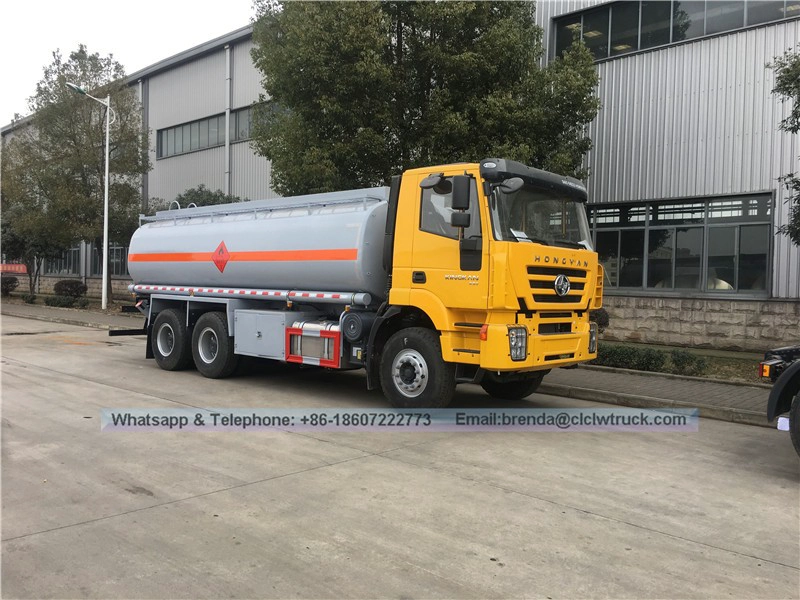
A key enabler of this model is the adoption of specialized milk transport vehicles. These trucks are designed to maintain optimal temperatures during transit, preserving milk quality from farm to table. By integrating such technology, farmers can extend their reach beyond immediate regions, tapping into broader markets while keeping prices competitive.
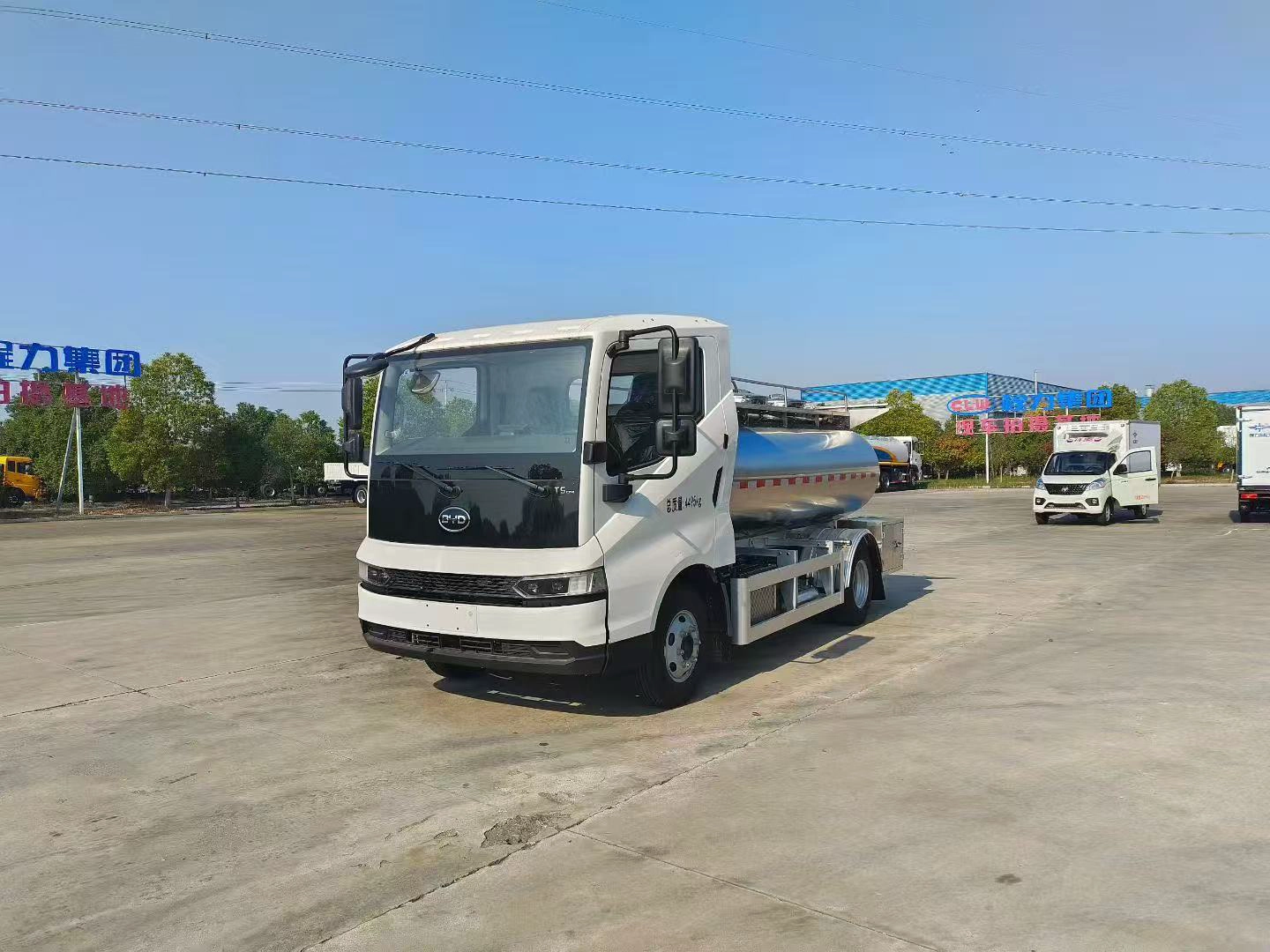
Chengli’s Role in Optimizing Fresh Milk Logistics
Chengli, as a dedicated OEM/ODM Milk Transport Truck Supplier China, plays a pivotal role in supporting this supply chain innovation. The company offers tailored transport solutions that address specific dairy industry needs. For instance, their trucks feature advanced insulation layers and temperature control systems, ensuring milk remains fresh during long-distance journeys. This capability is crucial for farmers who supply milk to distant urban areas or multiple retail points simultaneously.
Moreover, Chengli’s customizable approach allows farmers to select vehicles based on their scale and route demands. Whether it’s a small-scale operation serving local communities or a larger enterprise distributing across regions, Chengli provides adaptable options. This flexibility empowers farmers to optimize their logistics, reducing fuel consumption and operational costs—factors that directly translate into lower prices for end consumers.
Cost Efficiency Through Advanced Transport Solutions
The direct supply model’s cost-saving potential is amplified by efficient transport strategies. By consolidating deliveries from multiple farms into fewer trips using optimized routes, farmers minimize empty return journeys and maximize load efficiency. This method mirrors the "Milk Run" concept, where a single truck serves several locations in sequence, cutting down on per-unit transportation expenses.
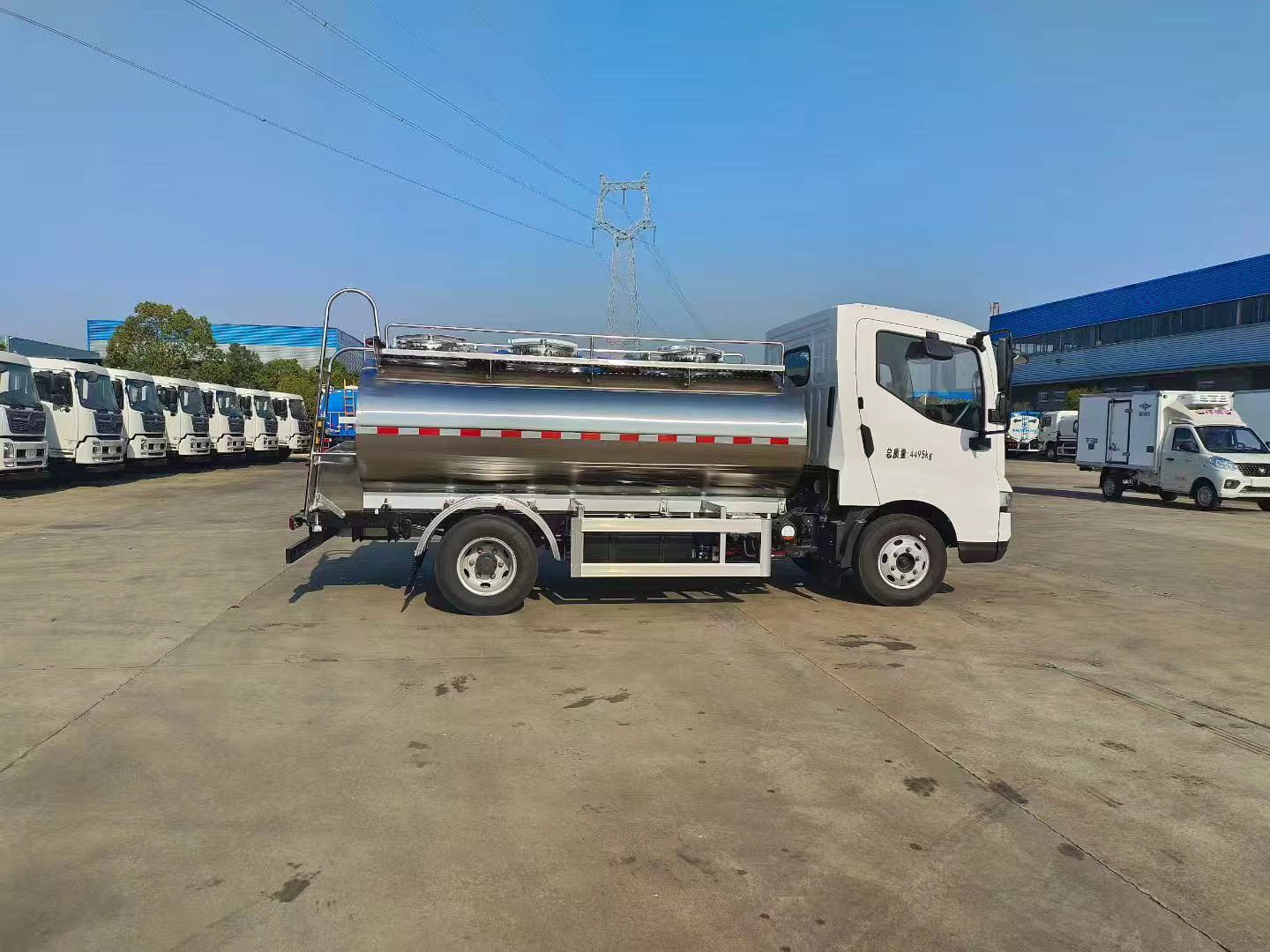
Chengli’s vehicles enhance this efficiency further. Their design prioritizes fuel economy and durability, lowering long-term maintenance costs for farmers. Additionally, the ability to integrate real-time tracking systems into some models helps farmers plan routes dynamically, avoiding delays and reducing waste. These innovations collectively contribute to a leaner supply chain, where savings are passed on to consumers in the form of more affordable milk prices.
A Bright Future for Fresh Milk Accessibility
As the direct supply model gains traction, Chengli continues to lead as a trusted partner for dairy farmers worldwide. Their commitment to delivering high-quality, Customized Milk Transport Truck Made in China ensures that fresh milk logistics evolve in tandem with industry demands. By shortening supply chains and leveraging smart transport solutions, this new approach promises not only fresher products but also a more inclusive market where quality dairy is accessible to all.
In summary, the integration of the direct-supply model from dairy farmers with Chengli's advanced transportation technology is reshaping the dairy industry. Through innovation and efficiency improvements, prices are becoming more affordable, benefiting both producers and consumers.