













 Mob:+0086 18607222773 +0086 13872896808
Delivering Durable Vacuum Trucks for Global Sanitation Work
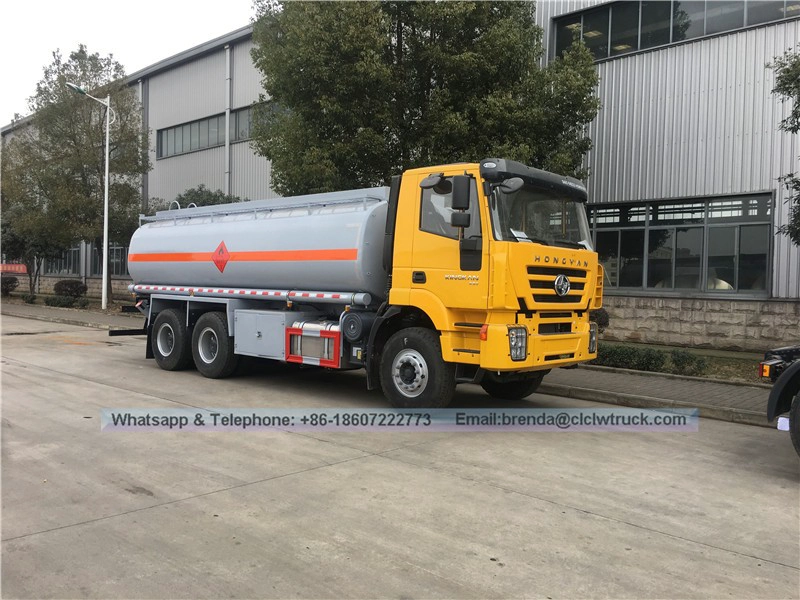
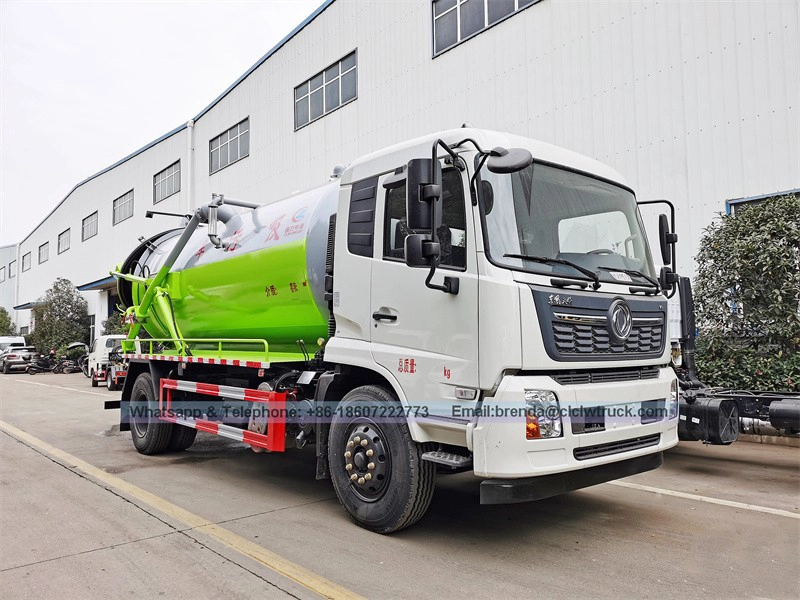
Across many regions, sanitation service providers and municipal fleets rely on well‑built vacuum trucks to keep sewage systems clean, handle industrial waste, and maintain public hygiene. Sourcing from an experienced China sewage vacuum truck manufacturer helps operators get robust, cost‑effective equipment tailored to real‑world conditions. Chengli Special Automobile Co., Ltd. has been manufacturing these heavy‑duty vehicles for years, supplying machines that combine solid chassis engineering with reliable vacuum pump systems. From routine septic suction to emergency spill clean‑up, their trucks are designed to handle demanding daily duties without unnecessary complexity.
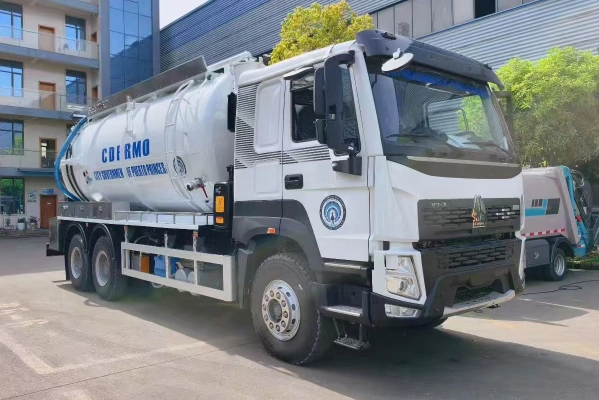
What sets Chengli apart is the ability to move beyond standard specifications. Not every sanitation job is the same – some routes require compact tanks for narrow alleys, while others demand larger capacities for long‑distance waste transfer. That’s where working with a dedicated Custom septic tank truck factory becomes a real advantage. Chengli offers flexible design options: tank volume, pump capacity, hose reel placement, and even control system layouts can be adjusted to match specific operational needs. Clients can discuss their working environment – whether it’s residential communities, industrial parks, or agricultural waste collection – and receive a vehicle built around those requirements. The factory’s in‑house engineering team oversees each step, ensuring that custom orders meet safety and performance standards before shipment.
However, even the most carefully built vacuum truck will not stay reliable for long without proper care. That’s why knowing How to maintain a septic tank truck is just as important as choosing the right equipment in the first place. A few straightforward habits can prevent costly breakdowns and extend the vehicle’s service life by years. Operators should check the vacuum pump oil level before every shift – running the pump low on oil is one of the fastest ways to cause internal damage. Belts, hoses, and seals also need regular inspection: a loose belt reduces suction power, and a cracked hose can leak both pressure and waste. After each day’s work, it is wise to flush the tank interior thoroughly with clean water, removing residue that could corrode steel or clog valves. Hydraulic fluid and coolant levels should be monitored weekly, as many tank functions rely on hydraulic power. Following the manufacturer’s recommended intervals for oil changes, filter replacements, and pump servicing will keep everything running smoothly. Keeping a simple logbook of maintenance dates and repairs also helps operators spot recurring issues early.
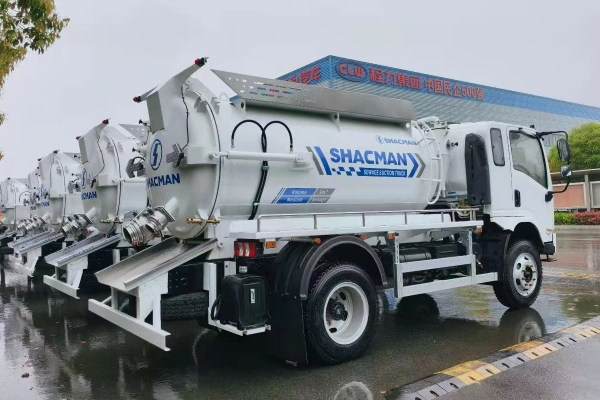
Beyond the vehicles themselves, Chengli Special Automobile Co., Ltd. provides support that matters for international buyers. The company has experience exporting to various markets, offering documentation, spare parts coordination, and remote technical guidance. Buyers can request modifications or discuss local usage conditions before production starts. The goal is not to claim perfection, but to deliver dependable machines that perform as expected, day after day.
For fleet managers looking to upgrade their sanitation equipment or order purpose‑built units, reaching out to Chengli opens the door to practical solutions – backed by years of manufacturing experience and a clear understanding of what field operators actually need.