













 Mob:+0086 18607222773 +0086 13872896808
Policy benefits released: Purchase subsidies for new energy trailers extended to 2027
China's New Energy Wrecker Tow Truck Industry Receives Extended Policy Support
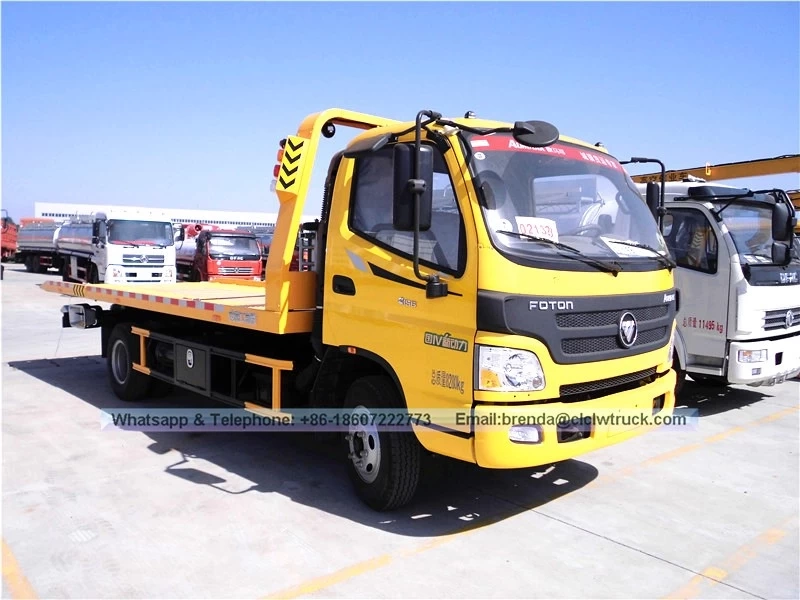
In a significant boost to the green transformation of China's automotive sector, the government has announced the extension of purchase subsidies for new energy vehicles (NEVs) until the end of 2027. This policy, originally slated to phase out after 2025, now provides a longer-term incentive for consumers and businesses to adopt eco-friendly transportation solutions. Among the beneficiaries are specialized vehicle manufacturers like Chengli, a leading China wrecker tow truck factory, which stands to gain from the extended support for heavy-duty recovery vehicles.
Extended Subsidies Fuel Industry Growth
The policy extension aligns with China's broader strategy to reduce carbon emissions and promote technological innovation in the automotive industry. By maintaining financial incentives for NEV adoption, the government aims to stabilize market expectations and accelerate the shift away from fossil-fuel-powered vehicles. For heavy-duty sectors such as recovery and towing services, this translates into reduced ownership costs for operators investing in advanced equipment.
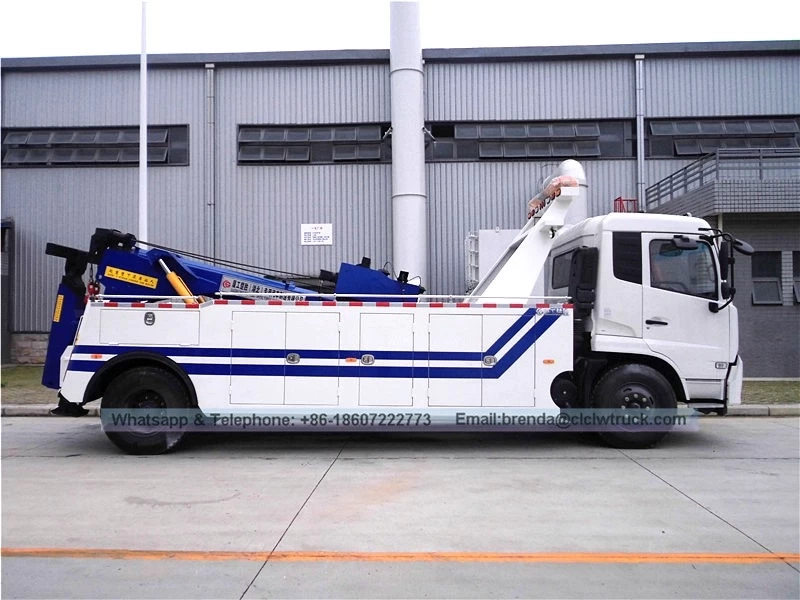
As a recovery truck supplier China, Chengli has been at the forefront of developing high-performance electric and hybrid wrecker tow trucks. These vehicles are critical for emergency response, accident recovery, and logistics operations, where reliability and efficiency are paramount. The extended subsidies will likely spur demand for Chengli's heavy duty wrecker tow truck from China manufacturer, which integrates cutting-edge battery technology with rugged durability.
Chengli: A Leader in Green Recovery Solutions
Chengli's product lineup exemplifies China's progress in NEV specialization. The company's electric recovery trucks feature:
Enhanced Energy Efficiency: Reduced operational costs compared to diesel counterparts.
Low Maintenance: Fewer moving parts and no exhaust emissions, lowering long-term expenses.
Smart Connectivity: IoT-enabled diagnostics for real-time fleet management.
By leveraging the extended subsidies, Chengli can further scale production and expand its global footprint. The policy not only supports domestic adoption but also strengthens China's position as a competitive exporter of innovative recovery vehicles.
Global Implications
The extension underscores China's commitment to leading the global transition to sustainable mobility. For international buyers, this means access to cost-effective, high-quality China wrecker tow truck factory products backed by robust policy frameworks. As Chengli and other manufacturers invest in R&D, the industry is poised to deliver next-generation solutions that meet stringent environmental standards worldwide.
The 2027 deadline for NEV subsidies marks a pivotal moment for China's automotive sector. For Chengli, this policy reinforces its role as a key player in the green recovery vehicle market. By combining technological excellence with government support, the company is well-positioned to drive innovation and meet the evolving needs of customers globally.